3D Modelling in Architecture: How It Improves Design Accuracy
Introduction
Understanding a building design from 2D drawings alone can be difficult for most homeowners. This is where 3D modelling in architecture plays a crucial role. It helps bridge the gap between imagination and reality by offering a clear visual representation of the proposed design.
Today, architects use 3D modelling not just as a presentation tool, but as a planning and problem-solving process that improves overall design accuracy.
What Is 3D Modelling in Architecture?
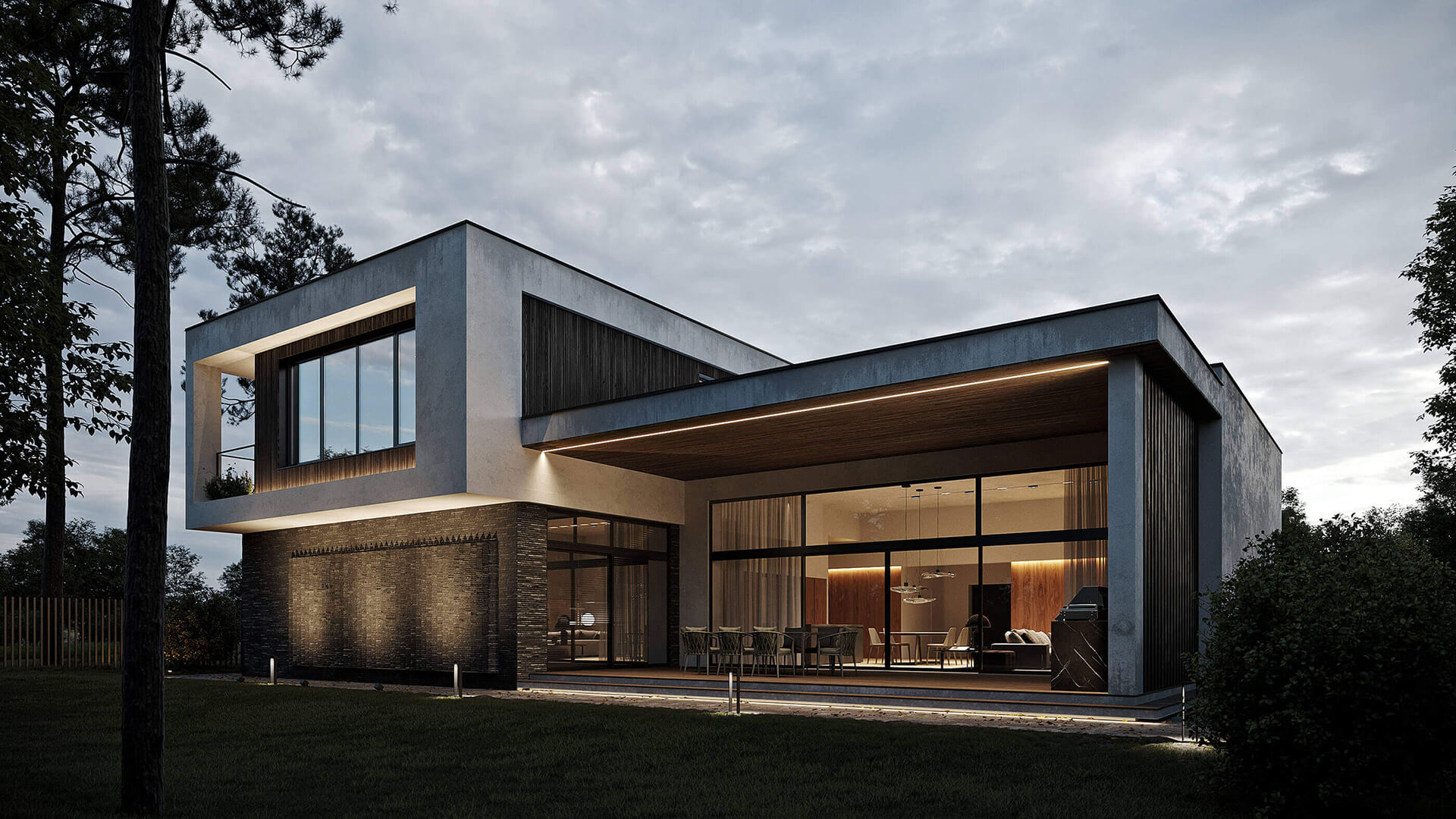
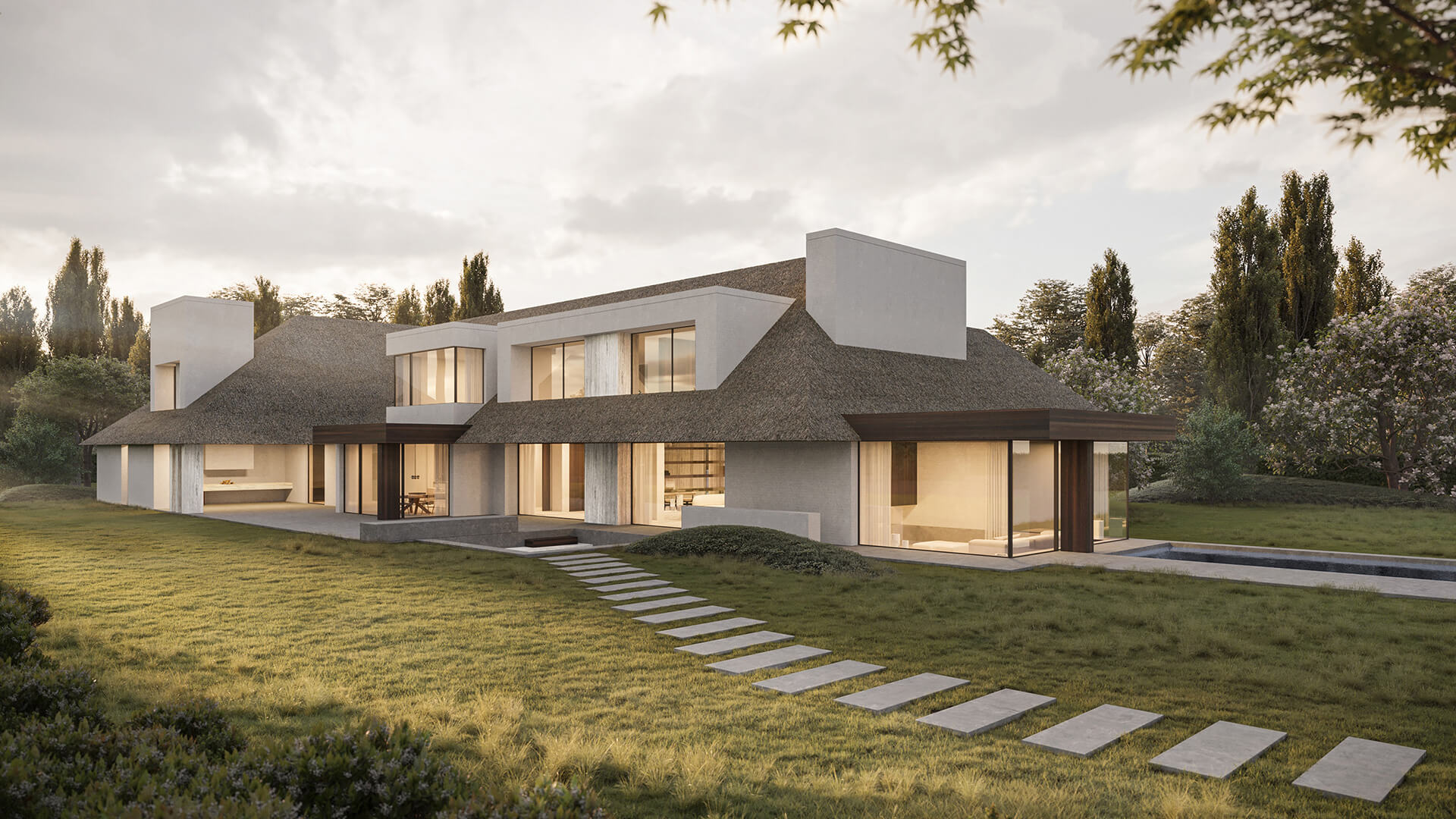
3D modelling is the process of creating a three-dimensional digital representation of a building or space. It shows proportions, materials, lighting, and spatial relationships in a way that flat drawings cannot.
These models allow both architects and clients to understand the design more clearly before construction begins.
Better Design Visualization for Clients
One of the biggest advantages of 3D modelling is clarity. Clients can see how rooms connect, how spaces feel, and how materials work together.
This reduces confusion, improves communication, and ensures that expectations are aligned before execution starts.
Early Detection of Design Issues
3D models help architects identify potential problems early, such as:
Inefficient layouts
Awkward proportions
Poor circulation
Lighting and ventilation challenges
Addressing these issues at the design stage prevents costly changes during construction.
Improved Space Planning and Accuracy
Accurate dimensions and proportions are essential for efficient design. 3D modelling allows architects to test layouts, furniture placement, and storage solutions realistically.
This leads to better space utilization, especially in compact homes and apartments.
Material and Finish Clarity
Through 3D visualization, clients can see how different materials, colors, and finishes will look together. This helps in making informed choices and avoids last-minute material changes.
It also ensures consistency between design intent and final execution.
Time and Cost Efficiency
By minimizing design errors and revisions during construction, 3D modelling helps save both time and money. Contractors receive clearer references, reducing misunderstandings on-site.
Well-coordinated designs result in smoother project execution.
Enhancing Collaboration Between Teams
3D models improve coordination between architects, interior designers, engineers, and contractors. Everyone works from a shared visual reference, reducing miscommunication and execution gaps.
This collaborative approach improves overall project quality.
Conclusion
3D modelling in architecture is more than a visual aid — it is a powerful tool that enhances design accuracy, clarity, and efficiency. By identifying issues early and improving communication, it plays a key role in delivering better architectural outcomes.
If you are planning a construction or interior project, incorporating 3D modelling early in the design process helps ensure smoother execution and better results.
Comment (1)
admin January 21, 2022
Photography ultricies nibh non dolor maximus scee the inte molliser faubs neque nec tincidunte aliquam erat volutpat.