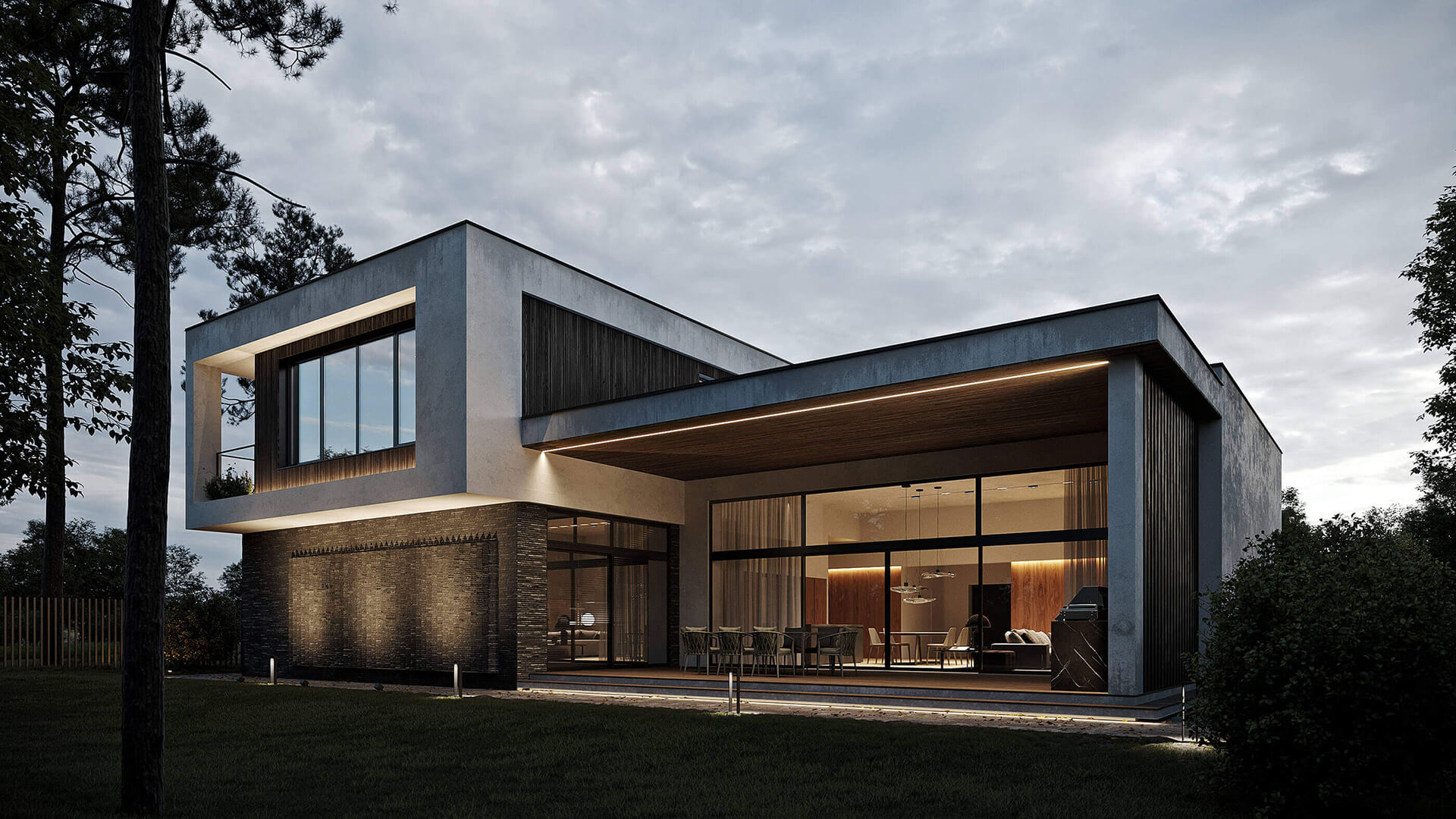

Budget-Friendly Interior Design Ideas for Modern Homes
Introduction
Interior design is often perceived as expensive, but a well-designed home does not require a large budget. Budget-friendly interior design is about making smart choices, prioritizing functionality, and planning efficiently from the beginning.
With the right design approach, modern homes can look elegant, comfortable, and practical without unnecessary costs.
Start with a Clear Interior Design Plan
One of the biggest budget mistakes homeowners make is designing room by room without a clear plan. A complete interior layout helps avoid mismatched styles, repeated purchases, and last-minute changes.
Planning early ensures that materials, furniture, and finishes align with both budget and lifestyle.
Focus on Function Before Aesthetics
Designing for daily use reduces long-term costs. Instead of decorative elements that add little value, focus on functional furniture, efficient storage, and durable materials.
A simple, well-planned design often looks more refined than an over-decorated space.
Use Smart Storage Solutions
Storage is essential in modern homes, especially apartments. Built-in storage, wall-mounted units, and multi-purpose furniture help reduce clutter without increasing costs.
Efficient storage design improves usability and keeps spaces visually clean.
Choose Cost-Effective Materials and Finishes
Budget-friendly interiors do not mean low quality. Using locally available materials, standard finishes, and simple textures can significantly reduce expenses.
Neutral color palettes also help create timeless interiors, reducing the need for frequent redesigns.
Lighting Makes a Big Difference
Good lighting can transform a space without heavy investment. Combining natural light with energy-efficient artificial lighting improves both comfort and aesthetics.
Well-planned lighting highlights design elements while keeping energy costs low.
Keep the Design Simple and Cohesive
Consistency in colors, materials, and furniture styles creates a sense of harmony. Avoiding too many patterns or design themes helps maintain visual balance and reduces unnecessary spending.
Simple designs are easier to maintain and age better over time.
Work with an Interior Designer or Architect
Professional guidance helps prevent costly mistakes. Designers and architects help optimize space, recommend cost-effective materials, and ensure your budget is used where it matters most.
Contrary to common belief, expert planning often results in overall savings.
Conclusion
Budget-friendly interior design is about thoughtful planning and informed decisions, not cutting corners. By focusing on function, simplicity, and efficient use of space, modern homes can achieve stylish interiors without overspending.
If you’re planning interior work for your home, consulting a professional early ensures your budget delivers maximum value.
Comment (1)
admin January 21, 2022
Photography ultricies nibh non dolor maximus scee the inte molliser faubs neque nec tincidunte aliquam erat volutpat.