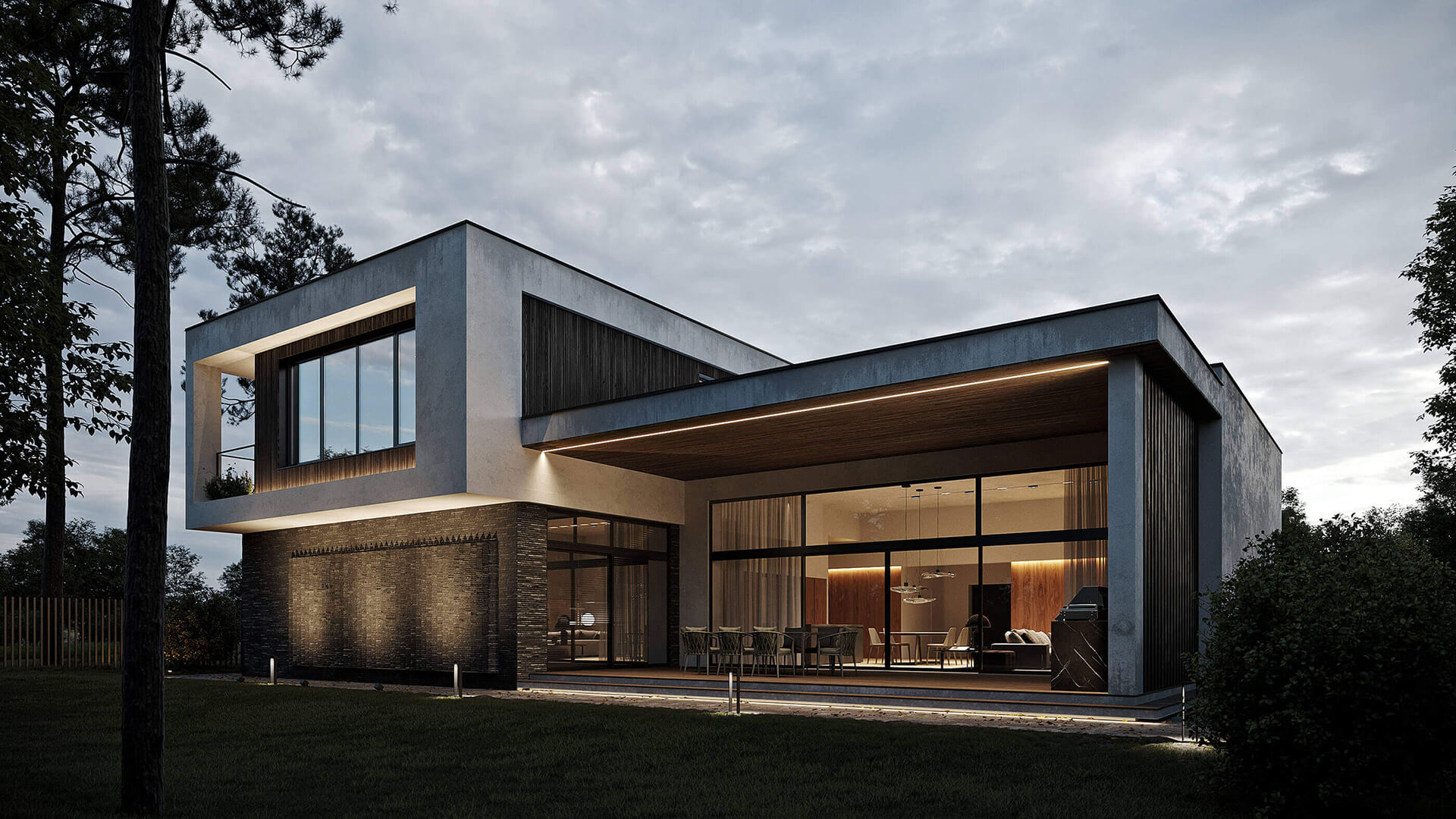

How Architects Design Small Spaces Efficiently
Introduction
Designing small spaces efficiently is not about squeezing things in it’s about making every decision count. As homes become more compact, especially in urban areas, the role of architects becomes crucial in ensuring that limited space still delivers comfort, functionality, and visual balance.
This article explains how architects approach small space design and the principles they use to create homes that feel practical and spacious.
Understanding How the Space Will Be Used
Before drawing plans, architects focus on how people actually live in the space. Daily routines, family size, storage needs, privacy requirements, and future changes are carefully considered.
This user-first approach ensures the design supports real life, not just aesthetics.
Efficient Layout Planning
Efficient design starts with layout. Architects avoid unnecessary partitions and focus on smooth circulation between spaces. Open or semi-open layouts help connect living, dining, and kitchen areas, reducing visual barriers and improving flow.
Every square foot is planned with intention, eliminating wasted areas.
Maximizing Natural Light and Ventilation
Light plays a major role in how spacious a home feels. Architects strategically place windows, openings, and courtyards to bring in maximum daylight and airflow.
Good natural lighting reduces the need for artificial lights and instantly makes compact spaces feel larger and healthier.
Smart Use of Built-In and Multi-Functional Elements
In small homes, furniture and design elements often serve more than one purpose. Architects integrate built-in storage, foldable elements, and wall-mounted units to save space without sacrificing usability.
This reduces clutter and keeps interiors visually clean.
Vertical Space Utilization
When floor area is limited, architects look upward. High ceilings, loft spaces, tall cabinets, and vertical windows help make better use of height and improve spatial perception.
Vertical design strategies significantly increase functionality without increasing built-up area.
Material, Color, and Visual Continuity
Light colors, simple finishes, and consistent materials help maintain visual flow across rooms. Architects avoid heavy textures and unnecessary design breaks that make spaces feel smaller.
A cohesive design language allows compact homes to feel calm and well-organized.
Technology and 3D Design Support
Modern architects use 3D modelling and visualization tools to test layouts and proportions before construction. This helps identify issues early and ensures efficient space planning.
Clients also gain clarity on how the final space will look and function.
Conclusion
Architects design small spaces efficiently by combining planning, creativity, and practical thinking. Through smart layouts, light optimization, and thoughtful detailing, compact homes can deliver both comfort and elegance.
If you’re planning a small home or apartment, involving an architect early helps avoid design limitations and ensures your space works efficiently from day one.
Comment (1)
admin January 17, 2022
Photography ultricies nibh non dolor maximus scee the inte molliser faubs neque nec tincidunte aliquam erat volutpat.